

Is your aircon problem a real emergency? How to decide before you call for a same-day callout
By John · Updated 2026-08-21
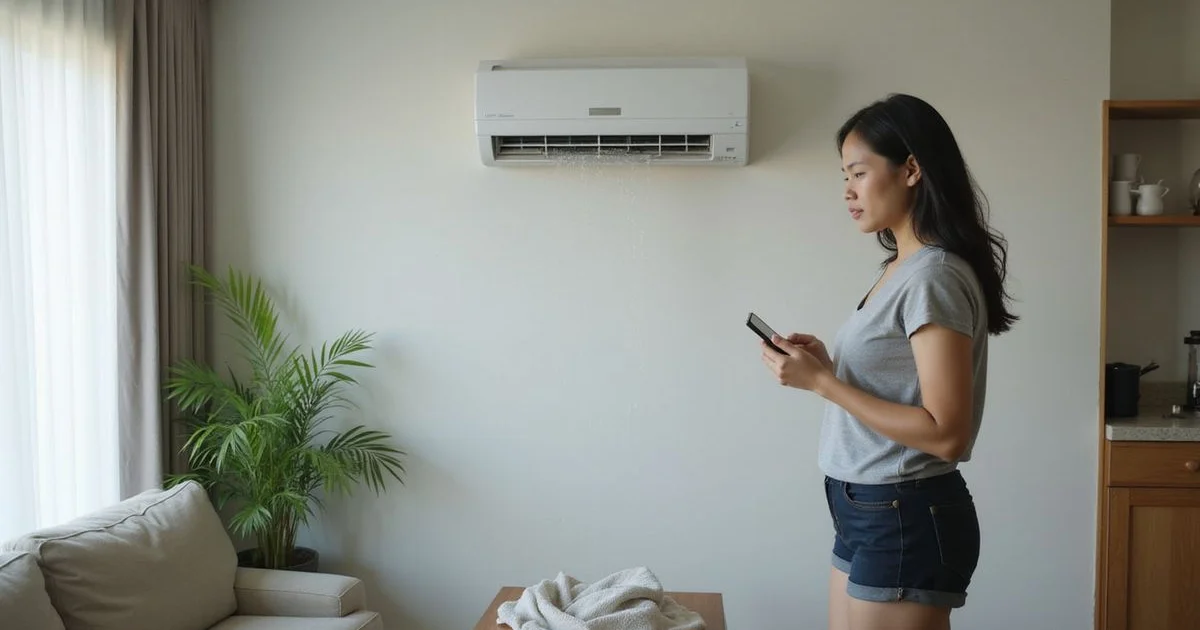
An aircon that suddenly stops working can feel urgent no matter what actually caused it, which is exactly why some people end up paying an emergency callout premium for something that could have waited for the next scheduled slot. Knowing how to tell the two apart saves money without leaving a genuine problem to sit.
Quick checks before you call anyone
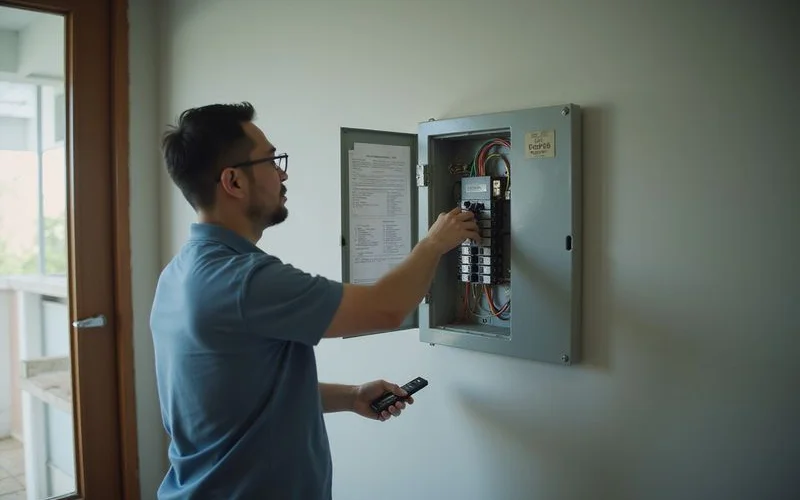
Before assuming the worst, check the basics: has the circuit breaker tripped, are the remote batteries dead, and is the unit actually receiving power. These simple issues sometimes look like a much bigger fault and take under a minute to rule out.
Sorting genuine emergencies from things that can wait
| Situation | Usually an emergency | Usually can wait |
|---|---|---|
| No cooling, mild weather, no vulnerable household member | ✕ | ✓ |
| No cooling during an intense heat stretch, with an infant or elderly relative home | ✓ | ✕ |
| Breaker trips immediately every time you reset it | ✓ | ✕ |
| Breaker tripped once, resets fine | ✕ | ✓ |
| Water dripping from the indoor unit, manageable with a container | Usually not, but address soon | ✓ |
| Burning smell or visible smoke | ✓ (also consider switching off power) | ✕ |
| Weak but present cooling | ✕ | ✓ |
| Commercial site, server room, or business that can’t tolerate downtime | ✓ | ✕ |
Why the distinction matters financially
Emergency and after-hours callouts commonly carry a premium on top of the standard repair or diagnosis fee, since the contractor has to reshuffle their schedule or dispatch outside normal hours. That premium makes sense when the situation genuinely calls for same-day response. It’s an avoidable cost when the honest answer is that the unit could run fine until tomorrow’s scheduled visit.
What a genuine emergency contractor should ask
A contractor built for real after-hours response usually asks a couple of diagnostic questions on the phone before dispatching anyone: what symptoms you’re seeing, whether the breaker is tripping repeatedly, and whether anyone in the home is at higher risk from the heat. That short conversation is a decent sign in itself, since a business that just books you in without asking anything is either supremely confident or not actually triaging urgency the way a genuine 24-hour operation should.
When it’s genuinely worth paying for speed
True emergencies are relatively rare for a well-maintained home unit, maybe once every few years if at all. They’re more common for commercial sites, server rooms, restaurants, and older units that haven’t had regular servicing, where a breakdown during peak hours or extreme heat genuinely can’t wait. If you fall into one of those categories, or a vulnerable household member is affected, treating it as urgent and paying the premium is the right call rather than a false economy.
Why well-maintained units rarely reach this point
Most genuine emergencies trace back to a unit that was already overdue for servicing before it failed outright. A slow gas leak that never got diagnosed, a coil that hadn’t been cleaned in over a year, or a capacitor nearing the end of its life are the kinds of issues that tend to surface as sudden, total failure rather than a gradual warning. Keeping up with routine servicing doesn’t guarantee you’ll never face a real emergency, but it meaningfully lowers the odds, which is worth factoring in the next time a service feels like something to put off. Timing that servicing around Malaysia’s hottest and most humid stretches, rather than waiting for a fixed date, is one of the more effective ways to avoid a breakdown during the worst possible week.
Making the call
When you do call, describe the symptoms clearly, no cooling, tripped breaker, unusual smell or noise, so the contractor can gauge urgency accurately and bring the right parts. Our 24/7 emergency aircon callout hub lists contractors across Malaysia who genuinely answer after hours, distinct from businesses that only look responsive during the day. If your situation turns out not to need same-day speed, the wider directory covers standard repair booking too, and our ranking method explains how we weigh real after-hours responsiveness into a contractor’s score.
FAQ
- Does no cooling at all always count as an emergency?
- Not always. If it's a mild day, no one vulnerable is home, and the unit isn't the only cooling option, it's often fine to book the next available slot. It becomes more urgent if a vulnerable household member is affected or it's during an intense heat stretch.
- Is a tripped circuit breaker always a sign of a serious fault?
- Not necessarily. Sometimes it's a simple overload or a loose connection. Check whether resetting the breaker once holds. If it trips again immediately, that does point to a real electrical fault worth prioritising.
- Does water leaking from the indoor unit count as urgent?
- It's worth addressing quickly to avoid ceiling or wall damage, even if it's not a true same-day emergency. Placing a container to catch drips and switching the unit off can buy you time until a scheduled visit.
- Do emergency callouts cost more than a normal booking?
- Generally yes. Many contractors charge more for same-day or after-hours response since it means reshuffling their schedule, so it's worth confirming your situation genuinely needs that speed before paying the premium.