

DIY aircon cleaning vs a professional chemical wash: what you can actually do yourself
By John · Updated 2026-07-17
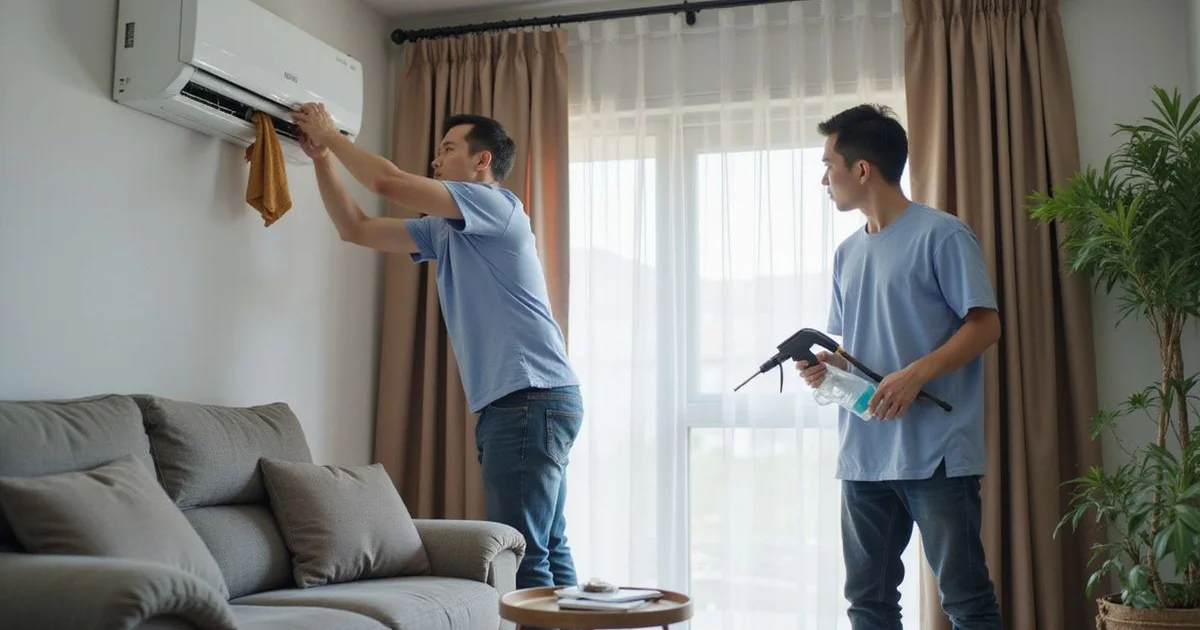
Between visits from a technician, there’s a real question of how much aircon maintenance you can safely do yourself. Some of it is genuinely worth doing. Some of it, done without the right tools, causes more problems than it solves. Knowing where that line sits saves you money on the easy stuff and steers you away from the expensive mistake of opening up a unit you shouldn’t, and it’s worth bookmarking this directory’s homepage for when you do need to call someone in.
What’s safe to do yourself
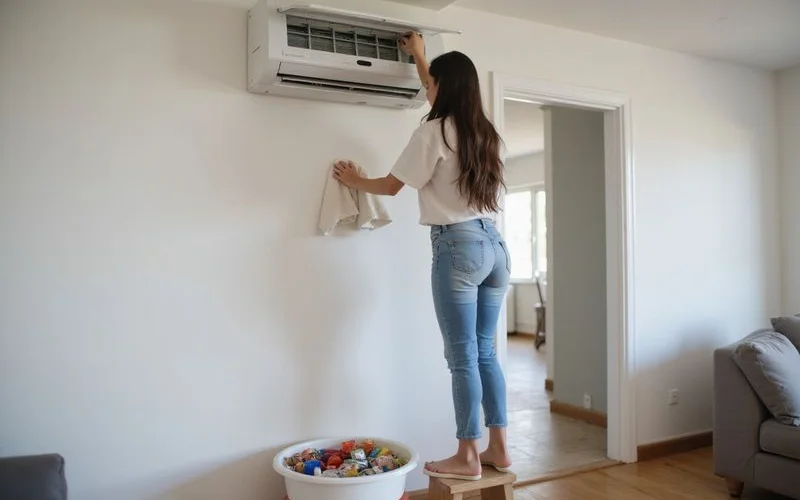
The filter is the one part of the unit designed for a homeowner to access regularly. Sliding it out, rinsing off the dust under running water, and letting it dry fully before reinserting is straightforward and genuinely useful, especially if you’re in a dusty area or near a main road. Wiping down the visible casing and vacuuming dust off the front grille is similarly low-risk. For the outdoor unit, clearing leaves, dust, or debris away from the condenser and making sure nothing is blocking airflow around it is also fine to do yourself.
What needs a professional
| Task | DIY-safe? | Why |
|---|---|---|
| Rinsing the filter | Yes | Designed for user access, no tools needed |
| Wiping visible casing | Yes | Cosmetic, no risk to internal parts |
| Clearing outdoor unit debris | Yes | External only, no disassembly |
| Dismantling the coil and blower fan | No | Risk of damaging fins or wiring without proper tools |
| Chemical spray treatment | No | Needs correct dilution and full rinse to avoid residue |
| Gas pressure check or top-up | No | Requires gauges and handling of pressurised refrigerant |
A basic filter clean and check is worth doing roughly every two to three months if the unit runs daily, more often in a dusty environment. A full chemical wash is a different scale of job and is generally needed every six to twelve months, or sooner if a musty smell, weak airflow, or water dripping from the indoor unit shows up before then.
Why the chemical wash step resists DIY
A normal service, whether done by you or a technician, works with the unit mostly intact: a filter clean, a casing wipe, a general check. A chemical wash is structurally different. The technician physically removes the coil and blower fan, sprays them with a cleaning solution strong enough to strip embedded mould and dust that a wipe-down can’t reach, then rinses and reassembles the unit before testing it. That teardown step is where DIY attempts tend to go wrong, either through damaged coil fins, wiring knocked loose during reassembly, or chemical residue left behind because the rinse wasn’t thorough enough.
If the smell or weak airflow persists after you’ve done everything on the DIY-safe list, that’s the signal you’re dealing with buildup inside the unit that only a proper wash reaches, not a sign you need to attempt the dismantling yourself.
The real cost of a DIY chemical wash gone wrong
The temptation to attempt a full wash yourself usually comes down to saving the service fee, but the failure modes are expensive to fix if it goes wrong. Bent coil fins reduce the unit’s cooling efficiency and are fiddly to straighten properly. Wiring knocked loose during reassembly can cause the unit to trip or fail to start at all, turning a cleaning job into an electrical repair call. And chemical residue left behind from an incomplete rinse can affect air quality in exactly the way you were trying to fix in the first place. None of these are common outcomes for a technician doing this daily, but they’re realistic risks for a first attempt without the right tools or experience.
When to call a contractor
Musty smell, visibly weak airflow compared to when the unit was new, or water dripping from the indoor unit are the three clearest signs it’s time to book a chemical wash rather than keep wiping the filter. Our aircon servicing and chemical wash hub lists contractors across Malaysia who handle this properly, with review histories showing whether they explain what was actually cleaned rather than doing a quick pass and calling it done. A vague answer about what got cleaned is a fair reason to ask more questions before paying, and our ranking method explains how we weigh that kind of transparency into a contractor’s overall score. If you’ve never booked one before, our guide to what happens during a servicing or chemical wash appointment walks through the visit itself, so you know what the technician should actually be doing once they’re in your home.
FAQ
- Can I clean my aircon filter myself?
- Yes. Sliding out the filter, rinsing it with water and letting it dry fully before putting it back is safe to do yourself every couple of weeks to a month, especially in a dusty area. This is one of the few genuinely useful DIY steps.
- Can I do a chemical wash myself?
- It's not recommended. A chemical wash involves dismantling the indoor unit's coil and blower fan, which risks damaging wiring or the coil fins if done without the right tools, and the cleaning chemicals themselves need careful handling and rinsing to avoid residue affecting air quality.
- How do I know if I need a chemical wash instead of just cleaning the filter myself?
- If there's a musty smell, weak airflow, or water dripping from the indoor unit that a filter clean and wipe-down hasn't fixed, that points to buildup inside the coil and blower that only a chemical wash reaches.
- Will DIY cleaning void my warranty?
- Basic filter cleaning generally doesn't affect warranty terms since it's routine user maintenance. Opening up the unit yourself for anything beyond that can be a different story, so check your specific warranty terms first.
Related on this site
- Browse aircon servicing & chemical wash providers
- What aircon servicing and chemical wash costs in Malaysia
- What to expect during an aircon servicing or chemical wash appointment
- Mould and poor indoor air quality from a dirty aircon: warning signs and health risks
- Getting your aircon ready for Malaysia's hot season and monsoon humidity
- All guides →